War index
22nd of March 2025
Track 8 includes the poetry “Du må ikke sove” / “Dare not to sleep” by Arnulf Øverland. Here are more information about him and the poetry.
Arnulf Øverland (1889–1968) was a prominent Norwegian poet, essayist, and critic, known for his outspoken views and his critical stance on various aspects of society. Øverland is often remembered as a voice of intellectual dissent, and his works played an important role in the cultural and political landscape of Norway, particularly during the first half of the 20th century.
Key Aspects of Arnulf Øverland’s Life and Work:
- Poetry: Øverland’s poetry is often characterized by its modernist approach, tackling themes such as existentialism, religion, and societal injustice. He was known for his sharp, direct style, often challenging norms and conventions.
- Political Activism: Øverland was an outspoken critic of the church, social inequality, and political repression. His works often had a social and political edge, advocating for the liberation of the individual from oppressive structures, whether religious, political, or societal.
- The “Anti-Christian” Stance: Øverland is sometimes associated with a sharp critique of organized religion, particularly Christianity. One of his most famous and controversial works is the poem “Du må ikke sove»– «Dare not to sleep» where he questions religious dogma and promotes free thinking. His critique of Christianity led to some public controversies, but also earned him a reputation as a radical intellectual.
- World War II: Øverland was active in the resistance against Nazi occupation during World War II. He was involved in the anti-Nazi movement and was eventually banned from writing by the occupying German forces.
- Post-War Reputation: After the war, Øverland became a well-respected literary figure, though his controversial positions on religion and politics continued to provoke debate. His literary legacy, however, remains influential in Norwegian literature and beyond.
His work continues to be studied for its bold commentary on faith, freedom, and the individual’s role in society.
“Du må ikke sove” (translated as «You Must Not Sleep» or «Dare not to sleep») is one of Arnulf Øverland’s most famous and powerful poems, written in 1936. It’s a direct call to action and a plea for awareness, urging people to stay alert to the dangers of rising fascism, totalitarianism, and political complacency in the context of pre-World War II Europe. Øverland wrote it at a time when the political climate in Europe was increasingly unstable, with the rise of fascist regimes in Germany and Italy, and the looming threat of war.
Main Themes of “Du må ikke sove”:
- Call for Vigilance: The central theme of the poem is a strong warning to not be passive or indifferent in the face of injustice and tyranny. Øverland urges readers to remain awake, both literally and figuratively, to what is happening in the world around them.
- Anti-Fascism: The poem was written in the context of the rise of fascism, particularly in Germany under Adolf Hitler. Øverland’s message was to not allow the creeping tide of fascism to take over, and to be constantly alert to the threats to democracy and human rights.
- Urgency and Emotional Intensity: Øverland uses strong, emotional language throughout the poem, emphasizing the seriousness of the situation and the necessity of action. The phrase “Du må ikke sove” itself serves as a constant refrain, underscoring the urgency.
- Moral Responsibility: The poem appeals to the moral conscience of the reader, urging them not to turn a blind eye to suffering and injustice, and to stand up for human dignity.
Excerpt from “Du må ikke sove”:
Here is the beginning of the poem in Norwegian:
“Du må ikke sove
det er den største forbrytelse.
Ikke sove – du har ingen rett
til å sove.”
Translation: “You must not sleep
it is the greatest crime.
Do not sleep – you have no right
to sleep.”
In these opening lines, Øverland makes it clear that apathy in the face of danger and moral decay is itself a crime. He’s asking for active participation in the fight against what’s wrong.
The Poem’s Impact:
- Resistance during Nazi Occupation: The poem became especially poignant and relevant during the Nazi occupation of Norway, when Øverland’s works were banned by the German authorities. He had been vocal against totalitarianism and his writings became symbols of resistance.
- Literary Legacy: Over time, the poem has become an iconic piece of Norwegian literature, not only for its historical context but also for its timeless message. It’s still read today as a powerful reminder to remain vigilant in the face of injustice, oppression, and political threats.
============================================================
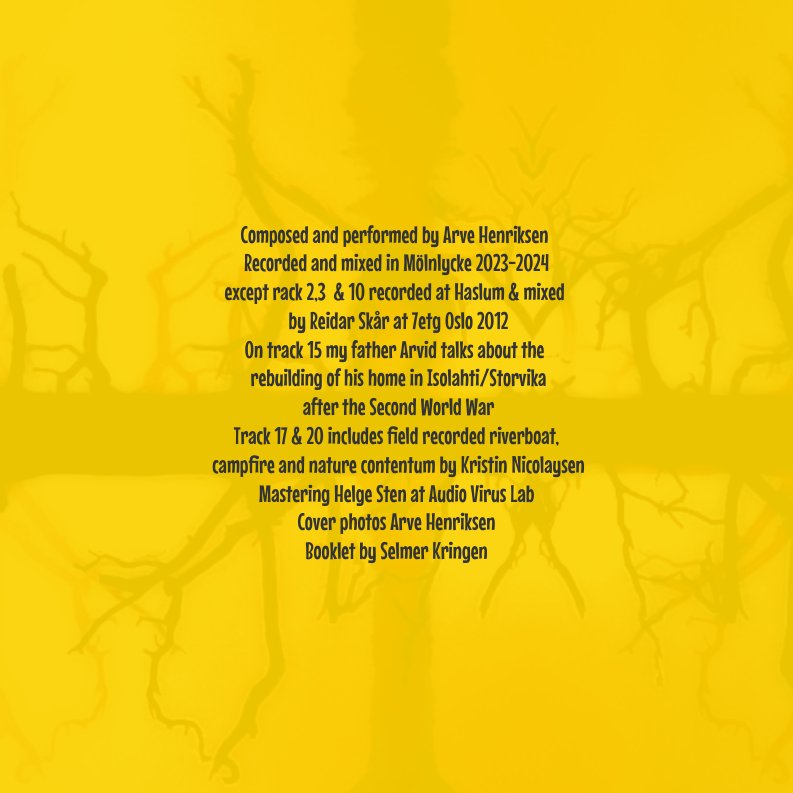
KVÄÄNI booklet





Rolv MURI exhibition in Førde
“Motions in Muricosmos” by Arve Henriksen

Walhalla Hotel (additional photos)
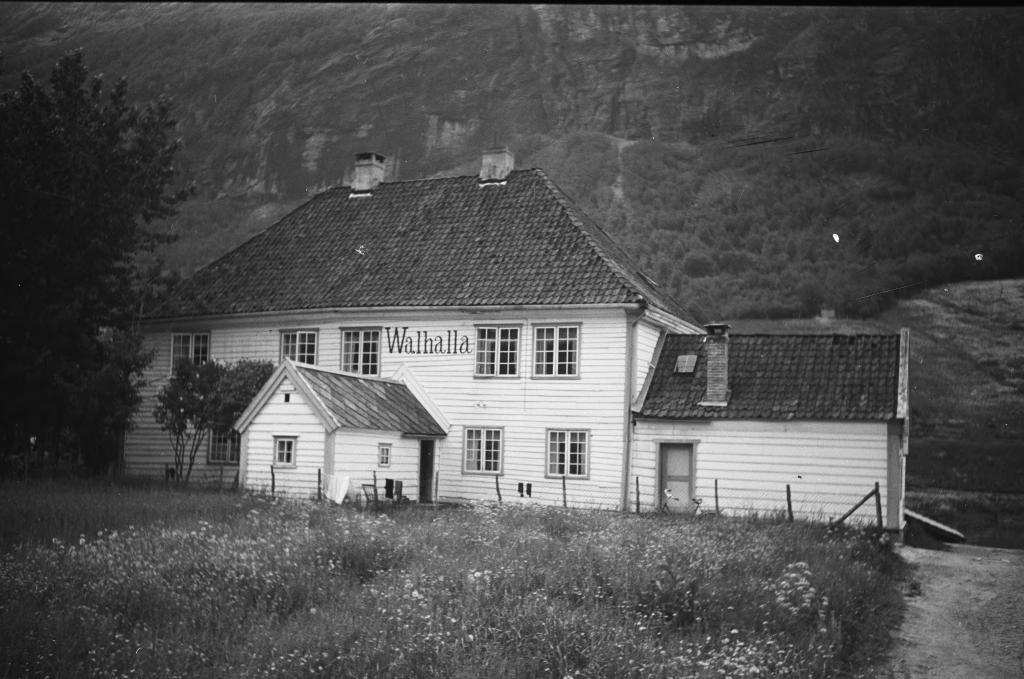

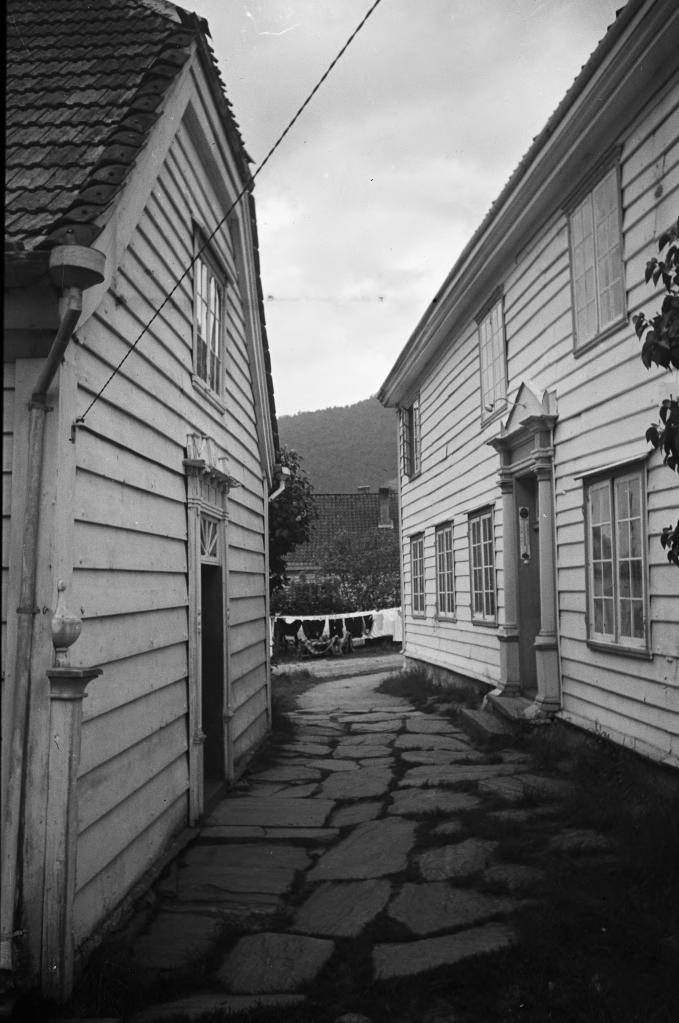
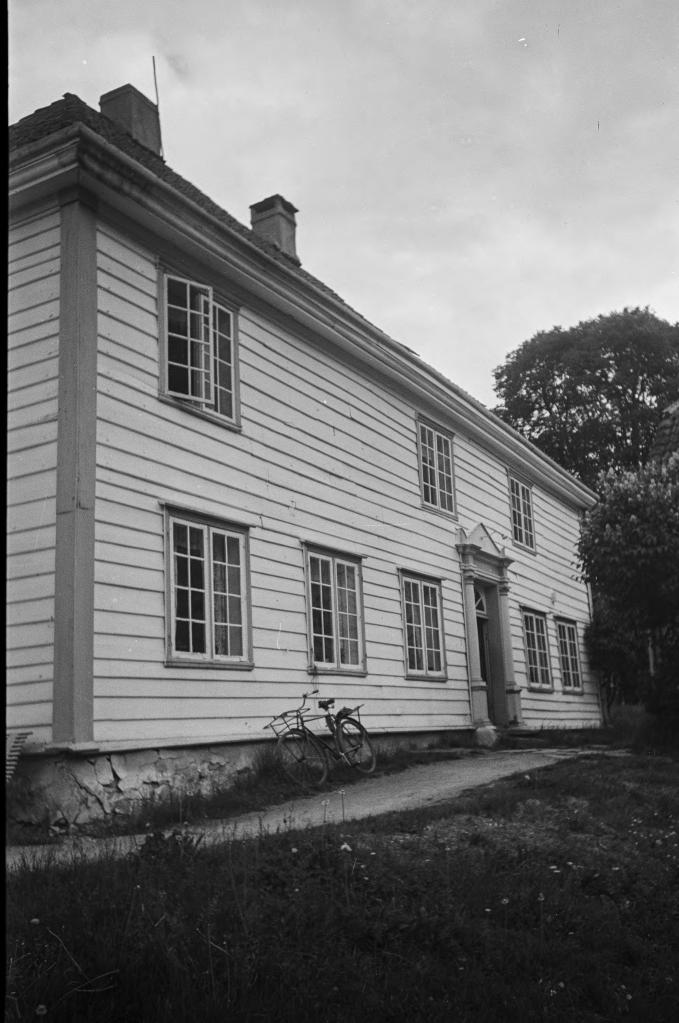
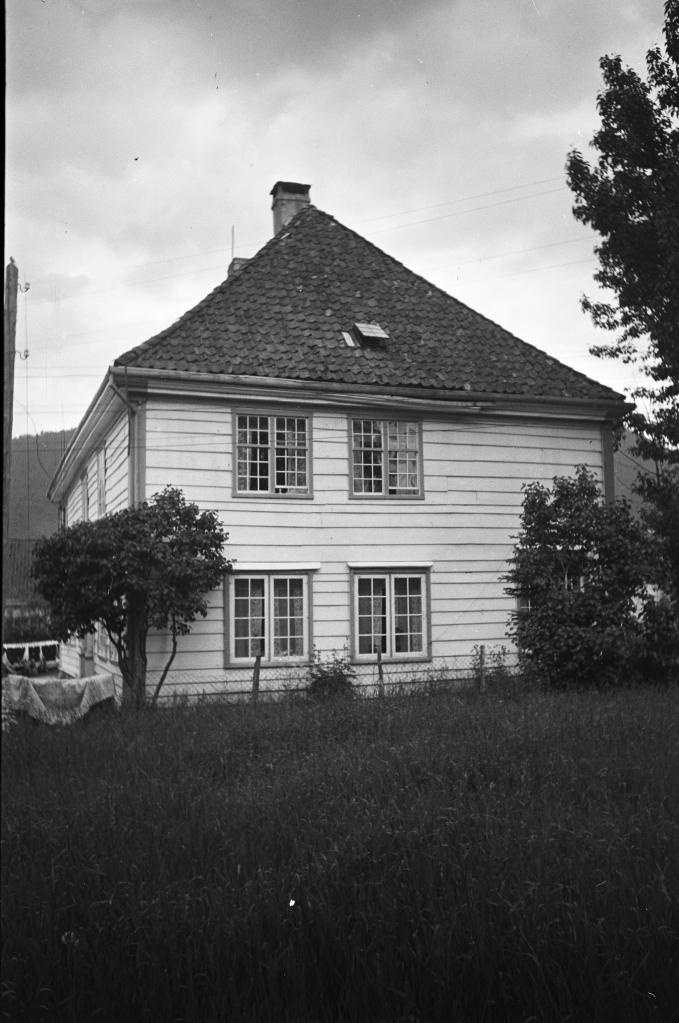
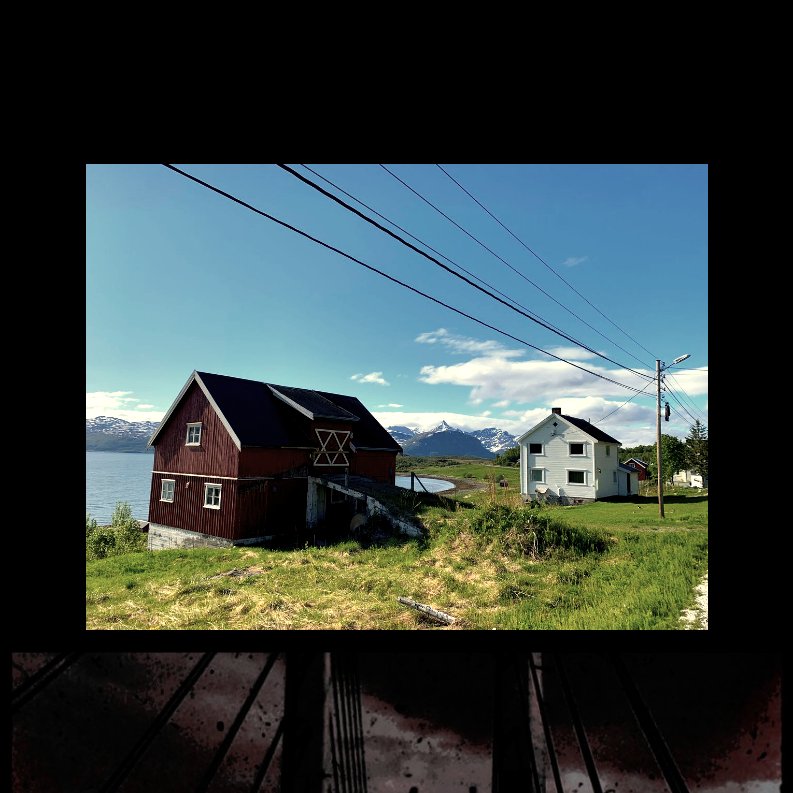
Photos: Halvor Vreim (1947)
: https://arvehenriksen.bandcamp.com/album/walhalla-hotel-fables-in-the-haze-of-history
SANCTUARY

On the track “The fundamental tone that connects us” I added the poems “Fattig Ynskje” and “Når du er borte” by Tor Jonsson. Here are some links to his poems, some translated to english:
https://againorway.com/2018/07/14/nar-du-er-borte-tor-jonsson/
https://www.ljodahatt.com/norwegian-poems/good-night-in-here/
About Tor Jonsson: https://en.wikipedia.org/wiki/Tor_Jonsson
FATTIG YNSKJE
Var eg ein Gud,
ville eg skapa
ei stillare verd.
Der skulle alle elske.
Var eg ein Gud
ville eg skapa
kjærleik og død,
berre kjærleik og død.
Were I a God
I would create
a peaceful world.
There, everyone would treasure love.

Were I a God
I would create
love and death,
only love and death.
Farfars Bibliotek / Grandfather´s Library

The poet Ola Skjenneberg´s poems are presented on this exclusive collection. English translations by Andrew Smith. The book and cd design by Ellen Jacobsen.
Download english translations here: https://spaces.hightail.com/space/7gvIRUpcma
Poetry book including CD or separate CD also available.
Buy and listen here: https://arvehenriksen.bandcamp.com
Helle Kulturverk, possibilities on historic industrial ground
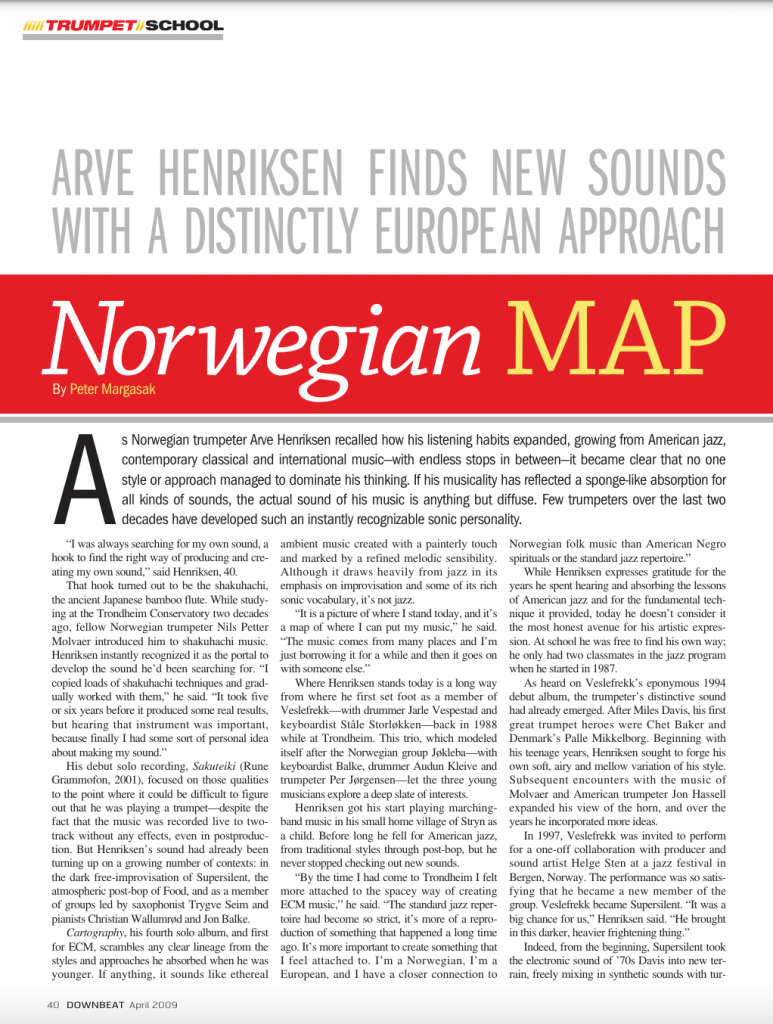
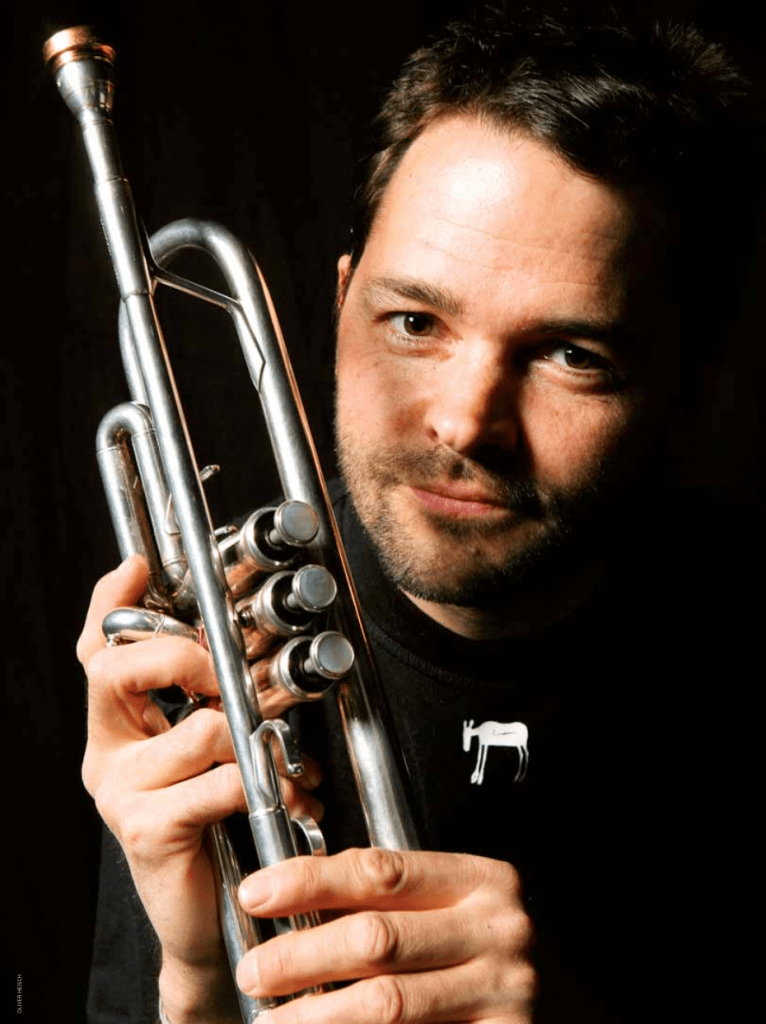
Downbeat 2009
 arvemusic